What's Crafting?

What's Crafting?
Click here for this weeks updates...

Search This Blog

Saturday, January 21, 2012

Pattern Remake: Creating Something New

I am a sewing maniac, I know, but if you love to sew then you might really find this to be a fun post because I am going to talk about how to make your own sewing patterns from scratch as well as how to copy and or remake professionally printed sewing patterns. There are many advantages to both and once you have gained a bit of experience sewing you will find yourself creating your own designs, and with that your own patterns. Copying professionally printed patterns is also very helpful in that you can alter the copy to your body shape, which in turn will make future uses of the pattern easier as the alterations you need have already been made. Making a copy of a vintage pattern is also very useful as you preserve the original.


I have spent years working off of sewing patterns picked up at various shops and thrift sales and from there I naturally moved onto creating many of my own clothing patterns (some perfect and others never to see the light of day!). Today I find those opportunities, the form offered by the patterns and the unconventional experimentation of making my own creations, have most certainly prepared me for an exciting sewing future. I could not be more thrilled quite honestly because I feel like I haven’t even really gotten started. After having physically copied so many sewing patterns from the original collection, scanned over 735+ sewing patterns, moved over 42+ sewing pattern boxes when we moved twice and then officially returning them to their owner, I am now so very ready to get started!

An old traveling trunk in the sewing room contains the contents of my sewing patterns, many tried and others as of yet untested, but as I sew away I find the need to make my own patterns off of those originals for a variety of reasons. I don’t always make a copy, I usually try the pattern out first if it is something simple, but making a copy gets you off of wearing down the original pattern, and let’s be honest, preserving those tissue thin patterns is tough enough so making a copy will only make your life easier if you decide to use the pattern again.

Let’s start with how to copy a printed pattern first, and then work towards how to make your own patterns. I have found this short list of supplies to be very helpful in copying the patterns.

Materials Needed:
-White paper * I use white paper as I have large quantities of that available, it is easy to add notes to the paper and I find the white paper will easily roll and print well through the rolling printer beds at a print shop if I decide to have a professional copy of the new pattern printed up. I have however known people to use anything from white fabric, interfacing, brown shipping paper, wrapping paper, tracing paper and even newspaper to copy patterns so you can decide for yourself what type of material will work best for copying your patterns.
-Pencil/ sharpie
-Ruler or other flat tool in which to smooth out the original pattern. I usually have 2 long rulers on hand to keep the paper flat when tracing.
-Tape (optional though recommended if planning on having a professional copy printed at a copy shop when finished making your pattern)
-Copies (optional-recommended if planning on having a professional copy printed at a copy shop when finished making your pattern)

Getting Started: Once the original pattern is cut, lay the base paper out on a flat surface and then lay the pieces of the original pattern out and begin by tracing around the edge of the pattern where the cutting line would be. Do each piece separately, and take your time when tracing. If possible, iron out the pattern pieces on a very low heat-though if any of the pattern pieces have tape, you will of course want to avoid any heat to the tape. *When working with vintage patterns, I find pieces of tape added at times, so I like to mention it in case you run into this. The main point here is to make sure the pattern pieces are smooth before you trace the outline and begin to add the pattern details that are printed on the original pattern. This is where the ruler comes in handy. I actually use two for the bigger projects such as copying the McCalls 4425. I recommend using at least 1 ruler or other flat surface, and also tracing in pencil before using the sharpie. You can use a pen but I really like the clear lines a sharpie offers.

We are going to use the Advance Tea Party Dress pattern for the sake of photos here. This pattern came to me already cut and it is a pretty old pattern. I ironed it out ever so carefully and then smoothed it out while tracing around the edges in pencil. Using pencil allowed me the opportunity to erase any unwanted lines as I traced. This level of detail will ensure you have a near perfect copy of the original pattern. The very best test (and yes, I like to be obsessive about it because I don’t like a pattern copy to have a bad cut-if you cut the copy badly, the sewn garment is going to be bad and no one wants that!) is to make a very detailed, concise copy and then remove the pattern from the traced copy below it. Then, add the printed pattern again on top and smooth it out with your ruler and see how accurate you were. I always recommend doing this before you trace over the pencil with the sharpie.

Once you have done this initial tracing, simply copy all of the text you find on the original pattern onto the copy. In some cases this is as easy as writing “fold here” or something just as simple on your copy but for the more complex patterns, a bit more detail will of course be needed. It is at this point that I take the pattern to a photo copier and copy the text that is on the original pattern. I then cut and paste those copies to the main copy. You can also use tape or a glue stick in order to add the areas of photocopied text to the copy. I have used both and have not had any problems, however I would recommend steering away from a wetter glue such as an elmers as you don’t want the paper to get too wet and then ripple on the copy as the ripple marks will copy over when you have your copy professionally printed, and if you are photocopying the text instead of hand writing the text, it is most likely because you are planning on having a professional copy printed (or you just have really bad handwriting?).

For a pattern such as the McCalls 4425 that was by far one of the most detailed patterns I have copied before as there was a lot of printed text and a number of darts. So, by now you have traced the outline of the pattern pieces as well as the inside text and details such as darts. If you have a lot of darts or details of this nature, make sure you copy all of the info to the copy, and one of the best ways to make sure you get the darts lined up correctly on your copy is to make a heavy circle in pencil through the printed pattern onto the copy. When you remove the copy you should be able to see either an indentation where the dart should be, or a light pencil marking. Darken these areas on your copy so the marks are clear when you go to reuse your new pattern copy.

Sizing adjustments: This is also the time in which you will make any and all adjustments you need to make if you are planning on making multiples of this style in the same size. If you have a pattern and you are petite and the pattern offers a petite version, you will most likely want to cut the pattern petite as well at this point, as well as fit to your size, before you trace out your pattern. I personally make a copy of the original pattern and label it as such, and then I make myself a copy if I need to that has the alterations, if I am making this for someone and have the measurements on hand. In a lot of cases I end up simply making the size adjustments to the fabric while cutting out the pieces, but the choice is yours depending on what is the most useful to you.

For example, if I were going to make a top and it was a simple front and back style I would add a half inch to each seam when I cut the fabric to allow for the seams. If I were making the bodice of a dress and it was 3 pieces in front stitched together and 4 pieces in back, I am going to want to make sure I leave a half inch additional fabric again for each seam but I am also going to want to make sure I leave about 1.5-2” additional fabric on each side of the back zipper region to allow for the zipper. Always leave a smidge more fabric in the back skirt when sewing a dress so you can have the back smooth and sewn perfectly after you have added the zipper. If you are working with slippery fabric then you will also want to cut more fabric and sew the seams more, most likely with a stabilizer of some sort, and sew those seams a number of times to ensure the fabric doesn’t unravel at the seams on you. The other unwritten rule is to always cut a smidge more fabric than you think you will need, always, and definitely for a lining of a garment. You can always slim a garment down, you can’t always make it bigger. When enlarging or slimming down a garment, just make sure you have all of the pieces in equal relation to one another. When making a corset, to enlarge or slim down, I would make sure each of those pieces I was putting together was equally larger or smaller in order to get the correct fit. If you imagine something such as a corset top, you would want all of the pieces stitched together so that the front seams were where they should be to offer the maximum support, the side seams do indeed run up at the sides, and the back seams also stitch up the back as they should. You can easily alter a pattern if you keep the 'equal through' rule in mind. And then, when in doubt, practice on inexpensive fabric first to see how you did before you move on to the really good materials :)

You now should have your entire pattern copied out on the paper and either the text from the original handwritten or printed and cut and pasted on the copy in the same manner as seen in the original pattern, and now simply need to trace the pencil marks and notes with your sharpie. Use your ruler to help you keep those lines straight. Once you are finished making your pattern copy you can either take this pattern to a print shop and have a copy made up professionally for yourself, or simply as a ‘working copy’ to be kept in your pattern stash. I usually keep all patterns I have worked on in a large gallon zip lock bag and keep my extra pattern copy in the bag along with the original. The bags also help store all pattern pieces that don’t fit as easily as they once did in their original envelopes.

At this point you are finished and can go ahead and cut that copy and get to sewing or whatever else it is that makes you happy. I know it might seem like a bit of a no brainer for some of you, but I found these simple techniques to be the best ways in which I was able to make accurate copies of patterns.

Making your Own Patterns-We covered how to copy a pattern, and now that we have an idea of what to look for when it comes to pattern design I thought it would be fun to cover a few ways in which you can make something all your own. So many of my customers contact me with the initial “I love these ideas..but I need it in my colors and these details and changes. Is this possible?” and I always love hearing that because that’s what making all of these things is all about, making it yours and how you want it to be, and altering it to fit your lifestyle. I once tried my hand at making a bag simply by looking at the original. It was an Amy Butler bag and I wanted to see how close I could get to the original by looking at an image of the original. In the end the measurements were as perfect as I could get them-from handle to pockets-and in the end I was quite happy with the results.

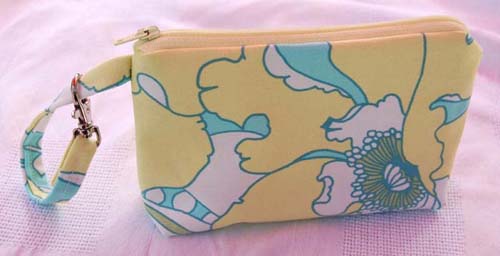
Here are a few images of the set made with an Amy Butler upholstery print that was simply gorgeous in that the vibrancy of the print cheered just about anyone, and I really liked the quality of the cotton fabric. I have more of this fabric in stock and you will probably see more items from this fabric in my Craftzies shop in the near future (the fabric has moved ever so close to the sewing pile…Im getting closer!).


Here are some images of how I altered a pattern slightly as the original pattern was simply for a baby tunic top and a diaper cover. With a few alterations I have a rather different item and when I make these baby kimono sets I simply measure out the 2 front pieces, back piece, 2 sleeves, and then the front, back and tabs and flaps for the diaper cover from the pattern I made for myself..based again off of the one you see here, and then for the details such as the ties and trim around the edge I don’t bother using the pattern pieces as I don’t need to, they are simply long strips of fabric stitched together, but I do have in my pattern notes (which I like to keep on a white index card in my ziplock bag that has my original pattern in it) how wide and long I need those strips and ties to be so I can ensure the proper length when making those pieces.

Here is a robe I made for a customer. I really liked how this robe turned out and the customer seemed very pleased as well. Here is the pattern I used, and then I altered it by adding a flair around the bottom, and lining the collar with a Japanese inspired cotton print, as well as sleeves that you could roll up and button if desires and still have the sleeve design visible and looking good.


Here is an image of the original pattern I used for this item.


So now that I have shown you an item that I made completely from scratch, and then two other items that I made by altering the original, printed patterns, I am going to lead you through how to make your own items from scratch. Either bring the item you want to remake, or an image of the item you want to make to the cutting table. Bring over paper, pencil, sharpie, ruler, notebook or paper in which to write notes (index cards work too), and scissors.

Materials Needed:
White paper to make pattern from
Scissors
Pencil, sharpie, pen (I know you’re excited about your project but get at least something to write with)
Fabric (we will cover how much fabric + notions needed below)
Notions (again, see below on the project you are making)
Interfacing (optional)
Stabilizer (optional)

*Though both interfacing and stabilizer are optional, if you are planning on making a tote similar to the one I have pictured above, I did use both of those materials and recommend them for the project. I picked up both the interfacing and stabilizer at joann fabrics, along with the zippers and additional hardware/ notions you see used to make this item.

You can either make a pattern of the item you want to make, and then use that pattern to make the item you want or you can cut the fabric and the pattern at the same time and then proceed to make the original item, cutting down and altering both the fabric version and the pattern as you go until the results are that you have the finished product you wanted, as well as a pattern. I don’t do this often, though sometimes I feel I need to see, feel and try out a fabric version to see how much I like the finished product, and will in most cases take that altered pattern I made myself and cut a new and cleaner version of the pattern I just made. Just remember at that point to ditch the old one so you don’t utterly confuse yourself later on when you go to use the pattern at a later date.

Ok, so here is where we get into the details. It might seem really hard I know, but it isn’t. The point here is to take the original item you want to make and look closely at all of the details associated with that item. What are all of the components associated with this item. For the Amy Butler weekend tote, it consisted of a front and back, bottom, 2 sides, 2 pockets outside, 2 inside, and a little change purse to go with it. I made myself a list of each piece I needed down to the last detail. Once I had this list of the pieces I needed I then added the measurements of those pieces. For each piece I added half an inch to the seam before I cut the fabric, and assume I will need 1.5-2” for any seam that will include a zipper. I find a fabric marker or chalk great for these kinds of projects as you can outline where you are going to cut the fabric and then make changes and such before cutting the fabric. For the shoulder straps, measure how long you want yours to be and add a little bit of length to the end of each strap to allow for the seams.

Once you have all of your outside pieces, make the lining, cutting both a lining of fabric, interfacing and stabilizer, sew all of the smaller details to the front, back, and inside lining, including stitching the shoulder straps to the outside of the bag. Sew the side pieces to the front, and then sew those side pieces to the back panel. Add the bottom panel for the outside, and then do the very same to the lining, only leave about 6” opening at the bottom front of the lining.

Place your front and back pieces so they are facing each other, and stitch the entire bag closed, making sure to tuck the handles in as you sew the bag from the inside. Turn your bag right side out through the bottom 6” hole left, and then pull the inside lining out and pinch and sew the seam closed. Add the button holes, buttons, metal hardware as needed as you go along and you are all set. Just remember if you are planning on making a pattern from your fabric item..which in this case is more of a workable prototype than anything, making any changes to the pattern that you did to the fabric version comes in so handy when you want to make more of this fabulous new item you have just designed for yourself.

So, there you have some details on how I copy patterns, how I alter patterns, though I am the first to admit a separate and certainly more detailed post on how to alter patterns should be a post of its own, but then also how I make a pattern from scratch. Any questions feel free to let me know and happy pattern making!

Lindsay ;)

Wednesday, November 30, 2011

Halloween 2011: Never Again and What's Changed

It's all in the title. Halloween 2011 was sheer madness and not something I will ever repeat! What was in the beginning of the season casually being referred to as Halloween Madness ended up as a disaster toward the end and the stress I experienced was absolutely awful. If you are thinking of starting an online shop, take the lessons below to heart because they can not only make or break a small company but they can also easily bring you to the edge where sanity no longer sees straight!

Halloween has always been a tough holiday to become involved in from a costume-making perspective because despite how much money people spend for the holiday, it is time sensitive, and unlike other holidays such as Christmas, customers tend to think about Halloween 2 weeks or so prior to the holiday and getting custom orders finished and shipped out in that period of time can wreak havoc if you take on too much. It's tempting if you sew just about everything like I do, but it's also rather tricky as well.

I tried to keep it simple this year and decided ahead of time that I would offer a total of 5 costumes that could be ordered as custom orders. My intent was also to add costumes toward the end that were ready-made, and also different than the 5 different custom costumes I was offering, but unfortunately that never happened. I offered the Male and Female Garden Gnome costumes (young/ adult sizes available), Bam Bam and Pebbles, (Bam Bam coming with a hair piece that matched the shorts and a felted club, and the Pebbles costume which included a matching bone hairclip), and the Mummy Wrap Dress.


Somehow, despite only offering 5 costumes for the Halloween Season, chaos quickly swooped in and what was steady costume making for over 120+ custom Halloween costumes turned into a disaster! It took a lot longer to put together the costume sets than I expected, and I ended up sewing so much that not only were my hands just worn like you would not believe, but I ended up in front of the sewing machines day and night for weeks and those last 4 days before everything had to ship (time was running out!) I went without sleep for 2 days except for 4 hrs, and then the final 2 days with no sleep at all. So by the time I shipped the rest of the packages express I was literally running on empty-with only 4 hrs of sleep in 4 days. There was no way I could keep up at that point.

Every time I stopped in to check on the shop I would have 25+ messages from customers, and within each message, a stream of messages from that one person. I tried to message everyone back but messages were bouncing back, people were angry saying I wasn't getting back to them, and then cancelling orders as I desperately tried to email everyone their tracking info. And the shipping log..not updated! How could it possibly have been...since I fell asleep on it in front of the computer monitor at 3am after having desperately tried to organize and update it.

In the end some orders were cancelled, and despite having tried to get in touch with everyone, it was just too much for one person. Next year I plan to have someone help me, and until then, I took a few weeks off after the Halloween awfulness to catch up and make sure everyone had their refunds and such. The saddest thing for me was that despite my best efforts, it was still a mess and the hate emails were just awful! That almost perfect customer happiness rating dropped down to an awful 91% and despite the messages and tracking info and details and returns and exchanges and the best of my efforts, it just still ended up awful.

So, as I begin to work on other blog posts and move into the winter holidays I just wanted to offer a personal apology to my 2011 Halloween customers. I have never experienced such order chaos or lateness or disaster on so many fronts. Organization in the last few weeks however has greatly improved my Craftzies functionality across the board, and areas I know I desperately needed to work on prior to the Halloween disaster are just humming along from order placement to shipping these days. I really needed to take the time to re-develope how I was doing business and so, as unhappy and depressed as I was over the Halloween 2011 incident, it was a good lesson because I really needed to improve the steps I took from when I received an order to when it shipped.

So my lesson for anyone who is thinking about running a shop or is currently running one and is having a hard time on the organization front, it is fair to say that I have been there, and here are a few areas that will greatly improve your chances of ease when it comes to running a shop because no matter how it looks or seems, there is a lot of work involved and their are ways in which you can seriously make your life easier. These help!

1) Business Cards
2) Customer Order Forms
3) Customer Order Log
4) Shipping Labels
5) Packaging Materials (incl. product tags)
6) Work station/ Wrapping Station
7) Phone/ email
8) Web-based programs to improve time management/organization
9) Advertising

So, these 9 are pretty self explanatory however we will just go through them briefly. I went for years without business cards but the truth is, they do matter. I leave them pinned up on cork boards at sewing and craft stores as often as I can remember. They are great to have when someone asks what you do or shows an interest. It is professional to hand someone a business card than just telling them and hoping they will remember, because they probably won't. Standing in line at the post office people were asking for my business card -always keep some in your wallet and you're good.

Customer Order Forms and an Order Log-SUPER IMPORTANT! and what a pain for me. You know, we're all made up on different stuff and sometimes things that are easier for one person can be the bain of another's existence. Such was the case when it came to keeping track of orders. It seems like it should be a simple process but here is how it was going down. I would receive an order on etsy for an item. I would take that info, in many cases for a custom order, and I would hand write the info including color details and measurements down on a scrap piece of paper and then take it upstairs, make the item, tag, photo, wrap, and then take the wrapped package down to the computer and pull up the order on etsy again, take that name and date and confirm address via paypal, and then take the package to the post office.

This was not working for me at all! As I broke down each step I took to making and sending orders I saw how this process needed a change, primarily because after a custom piece is made, I am a bit burned out. So to have to wrap it, take it to the computer and pull up the address again on etsy and paypal..well.. what a pain! I don't know why it was a bump in the road to easily getting things shipped and out the door, but it was. So it was in looking more carefully that I saw some major flaws, and this was one of them. So I created a custom form on ms publisher and it was pretty simple but it does the trick. I can pull up the order on etsy and paypal once and copy and paste the details into the order form, print, and that official copy can go upstairs to the workshop. This copy essentially has a top area with the etsy/ ebay info and the lower half has the paypal info, and then there is a small part on the side that I cut or tear off that has the same name and order number I have assigned the item which I keep for my records.

Now, if you are running a shop where you are making items and then listing them, the order form idea may not be entirely needed, but for someone who makes a lot of custom orders, this is essential and cannot really be done any other way efficiently or effectively. If I copy and paste the etsy and paypal info onto the order form as my very first step, not only do I not have to go back after the order is finished and confirm again the shipping address from both sites, but I can just take it from the shop to the post office hassle free. The second portion of the form will always have the paypal address and any details or comments from that site as all of my payments are usually received from there. My shop has a wrapping station of sorts as well so once an order form makes it up to the shop, it's all done right there and then shipped out right away.

Similar to the order form is the Customer Order Log and this is essentially an excel document with all of my orders however below I discuss replacing this with a web-based program such as Toggl). It gets a little intense around here because I receive so many different requests. In some cases customers contact me and want a custom order that is rather basic. Others want variations if you will, where they might want a tablecloth added afterwards or they want this in a month from now but we want to design the fabric now, or it;s a split payment, or we're designing something entirely new, and each project, from wedding dresses to messenger bags, needs to be on an order form to keep my head straight. I use excel because I can have different pages and essentially keep all of those details and variations organized. If a customer puts in a custom order, I will drop their name and a few details pertaining to their order in the excel document and then as things change or details begin to develope, I know where I am with that particular customer/ order. This helps me a great deal, and for more than one shop such as selling in etsy and ebay, I can customize my order form in excel as needed. If you dont have or don't like excel, a simple word or notepad document with a running total of orders and where you are in relation to their status is primo! Just keep yourself updated and you'll be fine.

Rules 4-7 are essential so as much as you might be tempted to skip them, don't because they can really help you. Having shipping labels and packaging materials (incl. product tags) on hand is so important I cannot stress this to you enough. If you are lucky enough to set up shipping at your home so they come pickup it is a fabulous service, but one I have not done yet. I'm almost there and expect I will be ordering the usps scale soon, however until then, having all of my packaging supplies on hand is seriously a God-send. I went online to usps and ordered a TON of packaging materials because I definitely needed them, and they delivered in a few days and well, it is lovely! If you can turn a small corner or closet or even a drawer into a wrapping station, you will be on top of the world. How many times have we gone hunting for those scissors to wrap a package only to find the scissors have disappeared or..geez..where on earth is that tape?! No more madness because you have yourself an organized little wrapping station to help you out! You can also put those scissors and tape on tethers if needed and they will stay close. Just don't cut the tether and you'll be good ;)

The phone/ email is a necessity, at least email, however I found signing up for a Google phone number was pretty great. It is free, I got to pick a number and area code I wanted (except it wouldn't let me pick Hawaii-yes, of course I tried!) but I got a free phone number.

That pretty much brings me to my last two rules to follow to avoid craft-shop madness. These are Web-based Programs to improve time management/organization and Advertising. Web based programs, depending on your needs and those offered by various programs and websites, can rally help you manage your time and orders more efficiently. My cutie told me about a year ago about a site called https://www.toggl.com/. Awesome! They are great and though I keep meaning to upgrade to a paid account, I haven't yet, but I definitely plan on it! This is quite a find of a site and they offer an opportunity to create projects and then easily manage that project, including keeping track on how much time is spent on a particular project, and also the specific areas of the project that take up the most time. This is priceless for someone like me! I am always in need of the time it takes depending on the project. How long does it take to make a woven rug? How long to make a custom dress? All valid questions as the time involved in a project helps determine the price of the finished product, but also because in many cases, as much as I would have thought I had an accurate time estimate, I have found myself way off in some cases. It's hard to say but now while utilizing the toggle program, I can easily keep track of all projects. In fact, one of the things I did was use Toggl as a organizational project tool for custom orders so instead of using an excel document to keep track of custom projects, Toggl has just recently replaced the excel doc and it has worked so far. So, if you are a small business owner with limited funds, and funds go so quickly when you get down to the finer details, every little bit helps including finding free or very well priced programs that can and will make a world of difference to your functionality.

I also really like Google Picassa which is a photo site and if you have a Google email account then you can use Picassa and upload and share photos with others. I have used the Picassa for years to show not only my Craftzies photo collection of mostly made and gone items, but I also use one for showing fabric samples, and another that still hosts all 730+ sewing patterns from the collection I borrowed from a friend (see earlier pattern post) so I have found Picassa to be an excellent resource for those that need a way to host images. Customers can easily look through sold items in a persons Etsy shop to see past items, however if those items were sold at a market or given to a friend or family member, those photos never make it to the sold Etsy section of my shop. With the Picassa craft photo page I can host up to 500 or so photos of items that have come and gone that never made it to the sold section of my shop. A page with current fabric samples up is a huge plus as well since you are limited on how many photos you can send someone, whether on Etsy or via email so having a photo portfolio customers can look through is a helpful reference for me. I am not sure how often the customers view those portfolios, but I have them and customers have access to those links via my Etsy shop announcements and also here on my blog so I do try to make them accessible.

Advertising is the last one and has been a tough one for me because I haven't really had the funds to advertise before. Don't get me wrong, I firmly believe in advertising and many people have told me, and rightly so, that I need to utilize social networking sites such as Facebook in order to advertise and as much as I would love to and do agree, I just haven't gotten to it yet. This is a great idea though and I should have done it years ago. Many people also pay extra money in order have their items featured in certain areas on Etsy and this is a great idea, and many say it's worth it. I never bothered, instead just opting to use the photos of my items when listed as my advertising. I also don't list multiples of an item, even if I have more than one made, because I would rather list each individually so I spread out the photo exposure the listing of the item receives. That and I put my business cards up, I try to get to posts here on this blog, and I chat with people once in a while online and in person and that has helped spread the word.

So, to end this post in a positive light, when things go bad, keep it going and get through the awfulness, and then make haste in organizing the areas that just aren't working for you because if you don't do it soon, disaster will strike and you will wish you had! Have a lovely day as the winter holidays approach! I have lots of fun posts coming up including Chewbacca Slippers! You know they're out of sight! ;)

Sunday, September 18, 2011

DIY Halloween Costumes-Adult Car Air Freshener


Your Halloween is going to smell great!


A few years ago my boyfriend really wanted to go as the Car Air Freshener for Halloween but they only had the munchkin version available so that left only one choice, to make him one instead. All in all it was a pretty simple costume to make but that might be because I passed the project onto his mother once I was finished making the tree part of the costume and she spray painted the text on from stencils. She did a really great job with the spray paint and I will have to confirm but I believe the white lettering you see in the images took one can of white spray paint.


I modeled the design more off of the baby car freshener costume than the traditional car freshener image, the differences being a simpler design for the shape and I also went with a white string for hanging at the top, as opposed to the green string. Since my boyfriend was going to be in the costume at work and at parties, I left the costume open more towards the hips-legs area whereas the childrens version is sewn on the sides, and more towards the feet. Here is a link to the baby car freshener costume so you can see the differences for yourself: http://www.buycostumes.com/Little-Trees-Car-Freshner-Infant-Costume/21185/ProductDetail.aspx

Materials:
3.5 yards forest green colored felt
1/2 yard stabilizer
fabric glue
Forest green colored thread
1 yard white piping /clothesline-type rope *The shop I purchased the materials from had really thick piping available by the yard in their upholstery section.
Newspaper/ craft paper *this paper is going to be used to make the tree pattern so I recommend something on hand like newspaper. If you are using small pieces, you will need to tape the paper together so that it equals the same amount of green felt you purchased
Scissors

Materials for the white text design on the front *If substituting the spray paint technique for another alternative (perhaps white paper, sticky label paper, white felt or vinyl could be considered substitutes) you can leave out the following materials
Letter stencils *you can find these at craft shops, art supply shops, or you can make your own.
White spray paint
Masking tape
Poster board
Exacto knife

Steps:
1) Unfold the green felt and fold it in half the long way so that it is 5 ft, 16” in length (half the full length-3.5 yds) and the width is much shorter-depending on what you purchased, it will most likely be about 45”+

2) Take your pattern paper (taped newspaper, etc.), fold it in half the long way as you did with your green felt earlier, trace and cut 2 paper pieces (front and back) for the tree similar to this image:

3) Lay this pattern piece on top of the folded felt and cut the felt *make sure you test your paper pattern in relation to where your arms are and how tall you are and such, and make any changes to the tree design that you need prior to cutting your green felt pieces

4) Cut a small hole at the top through both side of the felt to serve as the hole for the white string to go through

5) Turn the felt piece so they are facing each other, and the inside fabric is facing out. Sew along the edge from where your shoulders-arms are going to be all the way up and around to the other side *test what feels comfortable once the costume is on before sewing the sides too much

6) Turn the costume inside out and tie the white rope material through the hole

7) Create your stencil by copying the text onto a piece of poster board and then using the exacto knife to cut out the text. Set the stencil where you want your white lettering and blocked design and tape the pieces down onto the felt

8) Spray paint the white design onto the green felt *Please do this responsibly, both because spray paint fumes are hazardous and because you don’t want to ruin your costume, make sure you take great care to cover all areas of the green felt except for the areas you want in white. I recommend using an old plastic dry cleaning bag.

9) Once the spray paint has fully dried, all you need to do is cut out an area for your head *test before you cut and remember, cut smaller and enlarge as needed. 


10) Once you have the face cut out, measure the hole you cut for the face and take the stabilizer and draw the same hole shape onto the stabilizer. Draw a shape around your face circle like the one in the image below (that's right..I said face circle ;), and then cut the piece of stabilizer out and ever go lightly glue the piece of stabilizer to the underneath part of the inside face-head area. That dip at the top part of the stabilizer will help hold up the top of the costume so the white string will be easily visible and not flop over. 

You are officially finished! 


In the end we ran out of spray paint or we would have added the white text/ design on the bottom. 

So, there you have the DIY Car Freshener in the adult version! He had a lot of fun wearing it and even wore it again a few years later so when that happens, it’s always a good sign in the way of costumes. I think if I were to make it again, I would probably go with white felt for the white design as opposed to the spray paint but the paint version was used when making this one, so if you have spray paint already and are feeling game, go for it! It worked for this one ;) 

All you need now is a pocket full of real pine scented car fresheners so you can play and smell the part. Happy Crafting!

DIY Halloween`Costumes-Bride of Frankenstein Mummy Wrap Dress

Happy Pre-Halloween my fellow Crafters! 

As Halloween is right around the corner, I am happy to announce that my first DIY Halloween Costume post is officially here. To make it easier on all of us I am going to break this down into a series of posts, listing a new costume idea each week leading up to Halloween. And then, if and when we run out of costume ideas, perhaps we will move onto fun accessories and party ideas! If you have any cool ideas you would like to include, feel free to let me know, I love new ideas! 

Last year I was pretty open to costumes I would make for people and I made some really great ones, many of which I would not have thought of had they not been requested by customers. Those costumes ranged from infant/ toddler to adult in theme and size, and include costumes such as the Mrs. Fox Dress, the Magenta costume from Rocky Horror, Baby Frog costume, Male and Female Garden Gnome costumes, (toddler) Pebbles Outfit, Bride of Frankenstein Mummy Wrap Dress, and Steampunk Zombie Bloomers to name a few. Other costumes made prior to last years Halloween Craft Madness include an Adult Car Freshener, Ladies Star Trek Dresses (incl. next Gen), an Alien costume and many more.

That is quite a list I know! I would like to include matching outfits to compliment the Mrs. Fox dress and the Pebbles costume, so until I get those whipped up, we will postpone the Mrs. Fox and Pebbles for a little bit while I work on those. One of my favorite outfits from last year was the Bride of Frankenstein Mummy Wrap Dress so let’s start there.

Bride of Frankenstein Mummy Wrap Dress


The customer that requested this Bride of Frankenstein Mummy Wrap Dress really had a decent idea of what she wanted for this item when she contacted me and that was very helpful as I had never made anything like this before. After discussing the wants and not-wants of the dress she envisioned, I sent her a few fabric patterns I had in my pattern stash that I thought might work to see what dress style she thought would work for the dress, with the addition to it being mummified in the end of course, and she picked the style of the red dress in this pattern below:


She also wanted a V in the front, as well as the shoulder straps. I went with a very soft off white thermal material for the dress shell, or base of the dress. This fabric was a great choice. I happened to have it in stock already but it proved to be soft and comfortable, not too heavy, and it would feel solid and offer substance as a dress shell, all of which I wanted. Below I have included the materials I used. You can judge for yourself what you need for your costume based on this list. I found many materials such as lace, yarn, small amounts of silk, and items of that nature worked well in small amounts tucked and sewn into the cheesecloth so feel free to be more creative with it than anything. Since I have a sewing doll I found it useful to tuck and pin in materials as I thought they would work and then I would step away every so often and gauge the design as I went.


Materials:
2 yards of a base fabric in white or off white–soft knits recommended *this fabric will be used for the dress shell.
3-4 yards of white cheese cloth material (length depends on the size you need and on the width of the cheesecloth-some stores offer it in a very narrow width in which case you might need more)
Additional notions such as chunky wool pieces, lace or silky fabrics to add throughout the dress (these can be sewing extras and scraps and I would recommend finding things you can use as opposed to purchasing whole skeins of wool yarn and such)
14” white zipper
White thread
Scissors and measuring tape


Here are the steps to help you along with your own dress project:
1)     1)  Cut three pieces of the knit fabric you are using for the dress shell. Cut one piece for the front, and 2 pieces for the back. The shapes should look something like this:

*Determining the size you should cut for the front and back pieces is really determined based on your measurements. Whether you are using a pattern or creating your own, you are going to want to compare your measurements with those of the pieces you are going to be cutting. I always recommend adding about 1-2” extra at each seam and sew it down as needed. Just remember, you can always make it smaller, you can’t always make it bigger.

2)   2)  Sew the sides and pin the back pieces together from the bottom up to where the back zipper will end-a general guess is fine but I like to pin the back and wait until I have resized and such before I actually sew this back piece.

3)      3) Add the cheesecloth sleeves and V neckline in front.

4)      4)  Cut out a few chunks in the dress shell around the waist and the back and add cheesecloth and trims to the exposed areas, and then to other areas throughout the outfit. 

5)      5) Once I had the notions sewn down, I folded over the top of the dress and sewed, folding over and sewing one more time.  

6)     6) I rouched the middle bust by adding a seam in the middle front four inches down from the top, backstitching only one end so as to gather that area. Once you have gathered the fabric, sew it again to reinforce the rouched seam so it will not pull through.
7)      I pinned the zipper in, measured 14” from the top back of the dress down and sewed the lower back dress pieces together.

8)      7) I added the zipper. *A zipper foot always helps with the zipper process. If you do not have a zipper foot, I always recommend hand sewing in the zipper first, however loosely, and then once you get the zipper exactly as you want it, reinforcing the hand stitched areas with the sewing machine.
9)     8) For the final step,  fold over the bottom hem to the desired length, sew, fold, and sew one more time.

So, there you have it! Your very own Bride of Frankenstein Mummy Wrap Dress. Before I shipped the dress off I made one last addition, one you do not see in the photos above, in which I added a small little tab on the lower sides of the dress. This cinched the lower half of the dress up a bit. Not too much, but a little bit so it was a little shorter than what you see in the photos. It sort of carried over the cinched look throughout the design. In sending out the customer, I included a note in which I said if she found the dress too short, all she had to do was cut the tabs I added on the sides and the dress would fall longer. If you feel so inclined, I found it was a nice addition.

P.S. In the photos I took, the dress looks a little bit stretched, especially in the lower half but it was a smaller sized dress on a bigger sized sewing doll so that’s why it appears like that (size 6 dress on a size 10-12 sewing doll).

So, who’s ready to make one now?! I had so much fun I would do it again! If you have any questions, definitely let me know. If you don’t sew and want one of these made for you, please contact me via www.Craftzies.etsy.com in regards to an order.

Happy Crafting and if you have any questions feel free to ask! The skeleton hands added to the dress were actually hair clips. The skeleton hands were found at a local $1 store and I just hot glued the hands to hair clips and wha-la!

New details as of Ostober 14th, 2012: Woot! I have my first Bride of Frankenstein Mummy Wrap Dress of the season up in the shop! It's a size lg/xl and here is the link if intersted- https://www.etsy.com/listing/111319617/bride-of-frankenstein-mummy-wrap-dress

Alright, that one sold but here are more photos. I was very happy with it...


I only had one creepy skeleton clip left over from last year when I shipped it but I did manage to find more so I think I might drop a set in the mail to her. It's more of a precaution as I had a skeleton hand pop off when I made the last dress so just in case you start to fall apart during this years Halloween events, you can still count on a few creepy hands to keep it real.

Here are some photos of the second one made this year. This one was a size 4 and due to the size, was modeled on my mannequin. It was a custom order but I plan on making a few more this next week that are not yet custom orders so feel free to let me know if you would like one made. They also come with a creepy skeleton veil, a total of three skeleton hand hair clips, a big bag of extra wrappings and sewing kit in case you want to add to your creepy self...


More sizes coming this nest week so definitely check the shop or here as I will update as the crafting continues!

I hope you're having a fabulous day and thanks so much for stopping by ;)

-Lindsay